

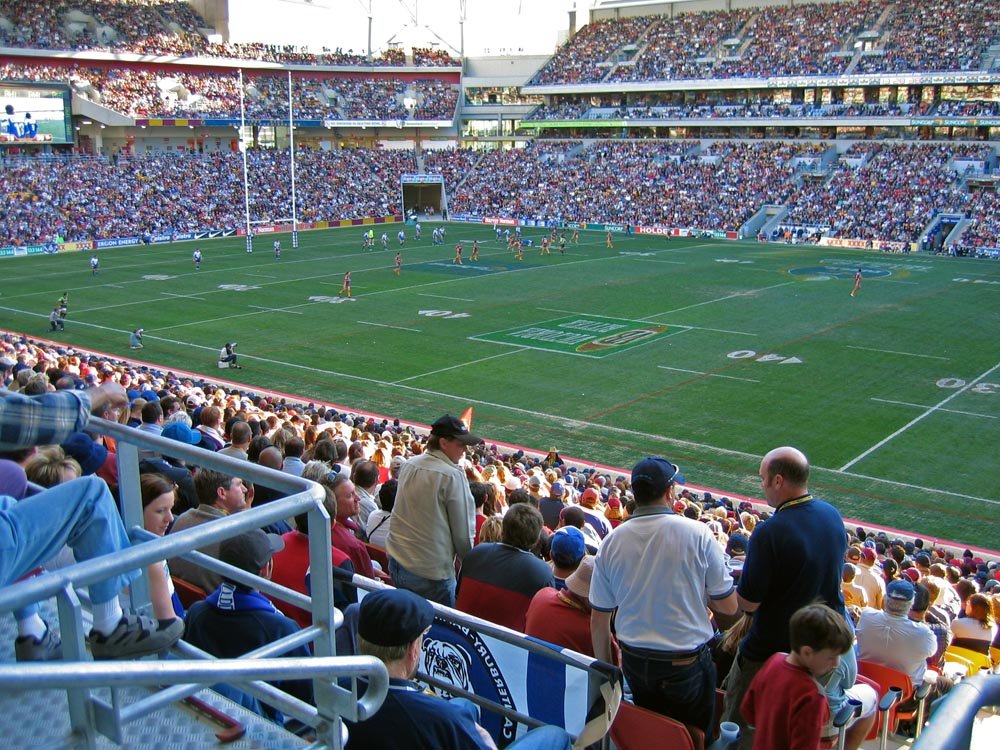
Australia won their fourth consecutive Women’s Rugby League World Cup with a 34-10 victory over New Zealand at Suncorp Stadium in Brisbane on November 15, 2026. Jaime Chapman scored three tries before half-time as the Jillaroos built a lead the Kiwi Ferns couldn’t recover from.
All six Australian tries came in the opening half. New Zealand tightened their defence after the break and kept Australia scoreless, but their second try arrived only on the final play. International Rugby League’s official match record confirms the result and Australia’s 34-6 half-time advantage.
Chapman leads the early scoring
Australia took control almost immediately. Chapman finished out wide for the opening try, then Shaylee Bent crossed from close range. New Zealand were already 12-0 behind before completing their first set, according to ABC News correspondent Nick Campton at the ground.
Chapman’s second try came from another finish in the corner. Jesse Southwell took on the defensive line before the ball moved through Isabelle Kelly to the winger, who stretched Australia’s advantage with an acrobatic dive, LeagueUnlimited reported.
Jessica Sergis then broke away for a long-range try. By the drinks break midway through the half, taken in Brisbane’s heat, Australia led 24-0. The Australians were finding space both near the line and from much farther out, leaving New Zealand struggling to stop the next attack.
Shannon Mato gave the Kiwi Ferns their first points with a close-range try. Australia answered through Chapman, who completed her hat-trick with a powerful run, and Tamika Upton, who exchanged passes with Abbi Church before scoring. Southwell converted five of Australia’s six tries.
New Zealand stop the scoring after half-time
The second half brought fewer attacking openings and no further Australian points. New Zealand had spent much of the opening half defending, with only 42 percent of possession, but finished the match with an equal share of the ball, according to the NRL’s match report.
Australia still had chances to add to their lead. Tarryn Aiken went close early in the second half, while another opportunity ended when Olivia Kernick’s final pass went astray. The Kiwi Ferns held their line without producing the run of tries they needed at the other end.
Mackenzie Wiki eventually crossed after New Zealand capitalised on an Australian error from a kick on the final play. Her try brought the score to 34-10, giving the Kiwi Ferns the only points of the second half.
LeagueUnlimited reported that New Zealand finished the tournament without conceding a second-half point in any match. In the final, however, their improved defence came after Australia had already scored enough to settle the contest.
A fourth Women’s Rugby League World Cup title in a row
Chapman received player-of-the-match honours. ABC described the different finishes behind her hat-trick: strength for the opening try, an athletic finish for the second and speed for the third. Her three scores accounted for half of Australia’s tries in the final.
The result extended Australia’s winning run in World Cup finals against New Zealand. International Rugby League said the Jillaroos had also won the previous three deciders between the countries. The Kiwi Ferns entered this final seeking their first title since 2008.
Both teams had reached Brisbane through semi-final victories over Pacific opponents. Australia beat Fiji, while New Zealand defeated Samoa. The final again brought together two familiar rivals, with New Zealand trying to interrupt Australia’s sequence of championships.
For Australian prop Millie Elliott, the victory also provided a winning finish to her playing career. The NRL reported that this was her final rugby league match. She leaves with another world title after a final decided by Australia’s six-try opening half.